Winter asphalt maintenance in Nova Scotia starts with keeping water moving and protecting vulnerable pavement edges. Snow, rain and changing temperatures can turn a small surface defect into a larger repair. A practical December checklist helps homeowners in Truro and surrounding communities manage those risks without attempting repairs in unsuitable weather.
Why freeze-thaw cycles matter
Water can enter open cracks and weak spots. When it freezes, it expands; repeated freezing and thawing can widen existing damage. Traffic then puts pressure on the weakened area. Surface coatings alone cannot restore a failing base or correct a drainage problem, so identifying the cause matters as much as treating the visible symptom.
Keep drainage routes clear
Remove loose leaves and debris from accessible drainage paths before they become trapped under snow. Watch where meltwater collects after a thaw and photograph recurring puddles. Keep snow piles away from drains where practical. Do not remove heavy catch basin grates or enter drainage structures yourself; a damaged or sunken basin needs a professional assessment.
Reduce damage during snow clearing
Mark driveway edges and existing raised areas so a snow-clearing operator can see them. Avoid striking the asphalt with sharp tools or concentrating heavy equipment on unsupported edges. Ask your contractor how blade settings and equipment choices can reduce scraping. Use traction and de-icing products according to their labels and the needs of surrounding surfaces and plants.
Record problems for spring
- Photograph cracks, potholes and crumbling edges from a safe position.
- Note whether water remains after neighbouring areas dry.
- Keep vehicles away from unstable edges and visibly sunken areas.
- Arrange an assessment when damage affects safe access.
Do not assume every winter defect can receive a permanent repair immediately. Moisture, pavement temperature, material requirements and the condition underneath the surface determine what work is appropriate. A temporary measure may help manage a hazard until conditions allow a lasting repair.
Plan the right repair
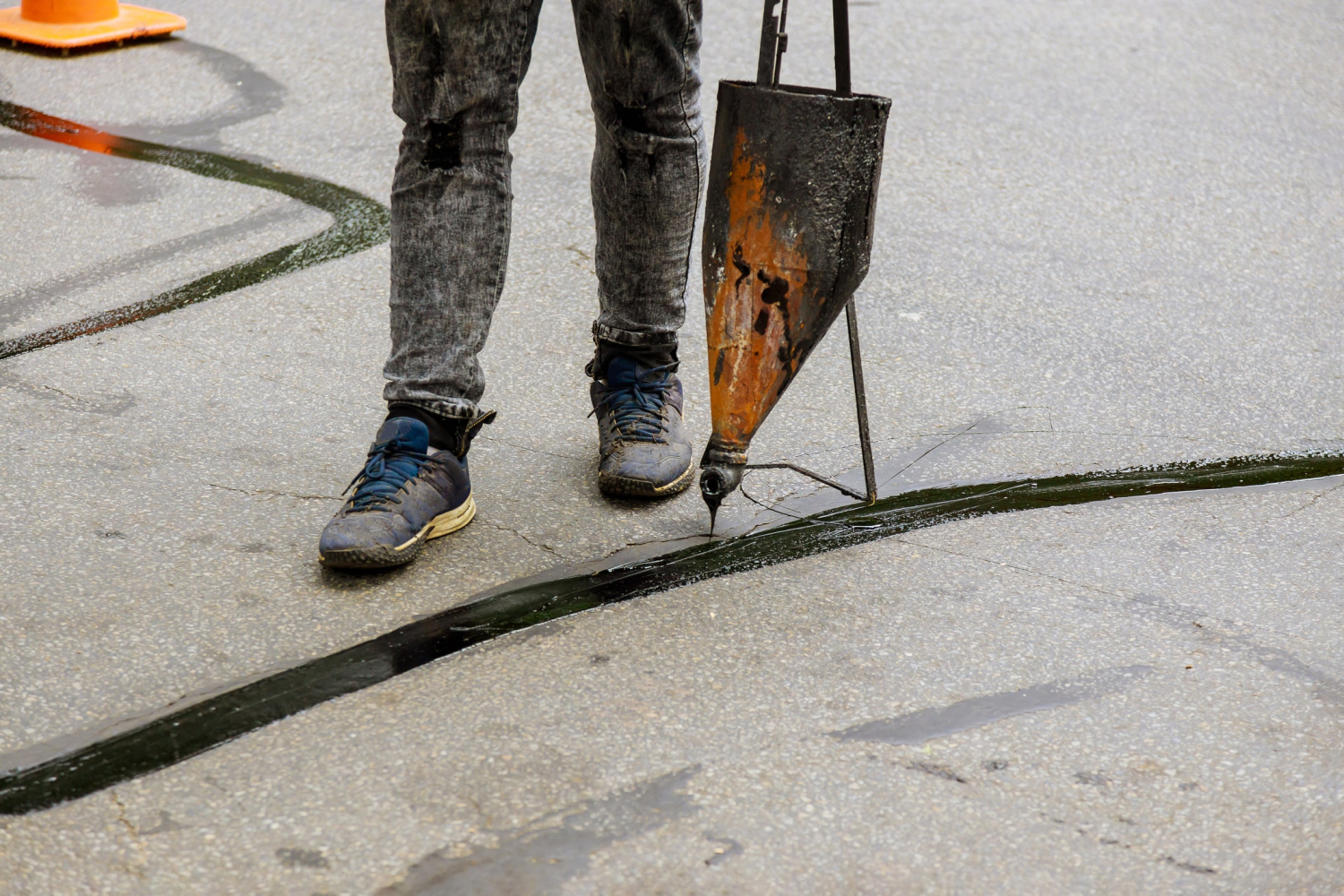
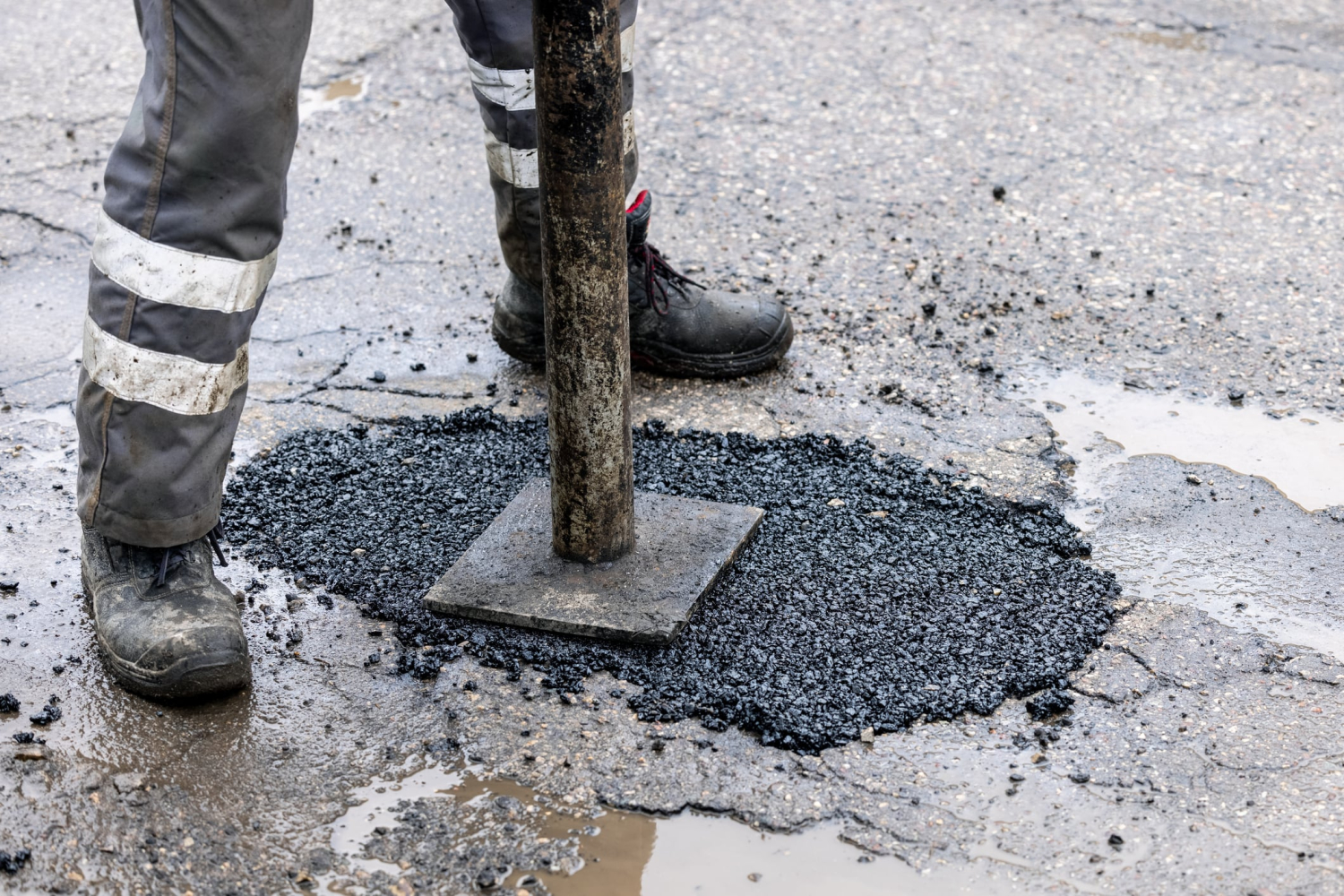
Isolated cracks may be candidates for residential hot rubber crack sealing, while broken pavement may need asphalt repairs. Widespread cracking or settlement calls for a broader investigation rather than repeated surface treatment.
For winter asphalt maintenance in Nova Scotia, start with observation, drainage and careful snow removal. Contact Supreme Asphalt to discuss your driveway concerns and request an assessment for the next suitable repair window.