Fall asphalt maintenance in Nova Scotia is an opportunity to address manageable problems before snow hides the surface. October’s priorities should be practical: identify damage, keep drainage working and confirm which repairs can be completed under suitable conditions.
Walk the property before leaves accumulate
Inspect the driveway or parking lot in daylight and record cracks, potholes, crumbling edges and settlement. Pay attention to repaired areas that have started moving again. Take photographs that show both the defect and its position on the property.
A dry-weather walk reveals surface condition, while observations after rain show where water collects. Do both if possible. Repeated ponding deserves attention even when the surrounding asphalt looks sound.
Clear accessible drainage paths
Remove loose debris where it is safe to do so and keep leaves from covering visible inlets. Check that stored materials and planned snow piles will not block runoff. Avoid making grading changes that send water toward buildings or neighbouring properties.
Sunken pavement around a catch basin or a loose frame needs professional assessment. Do not lift heavy grates or enter drainage structures. The visible depression may not show the full extent of damage below.
Match treatment to the problem
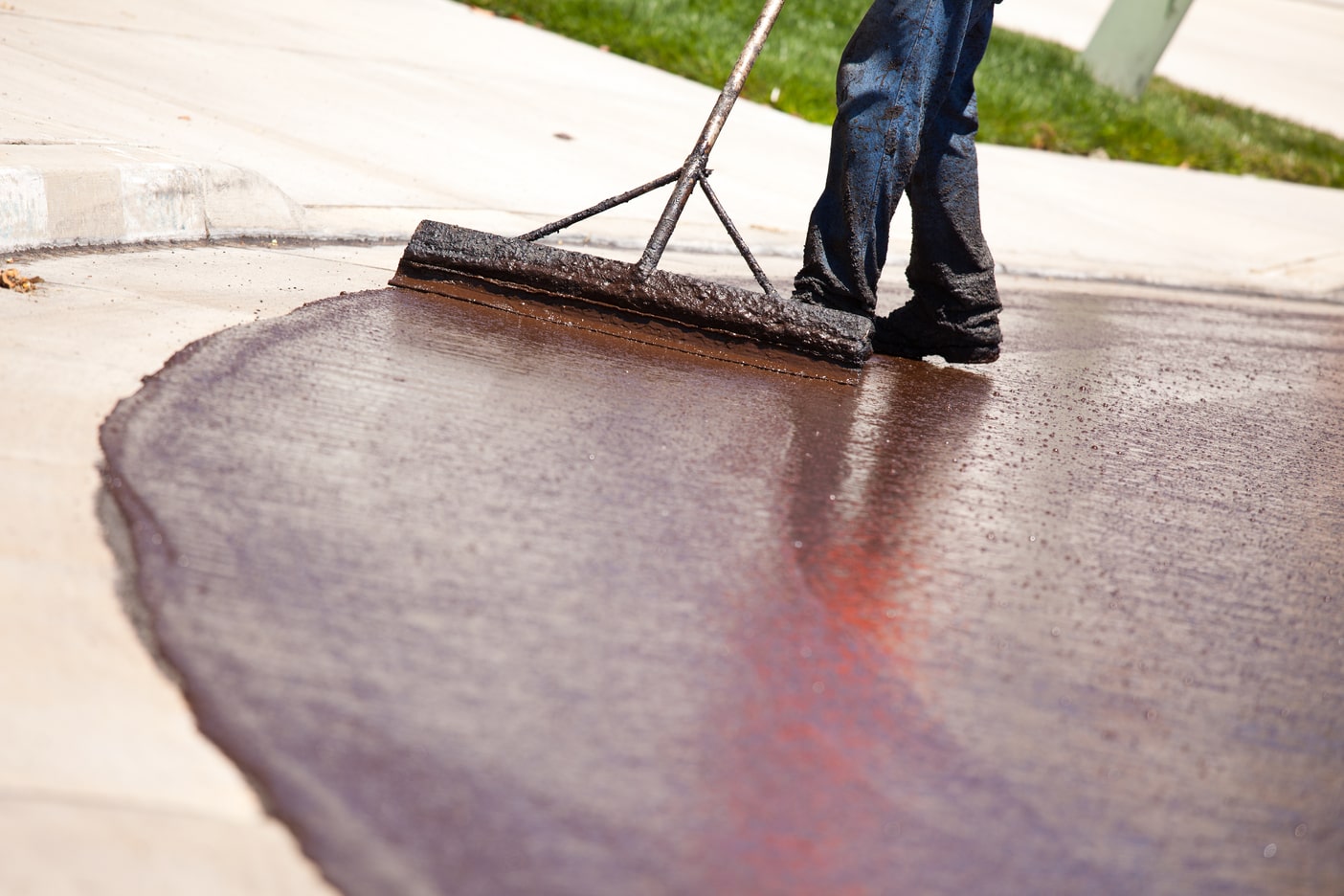
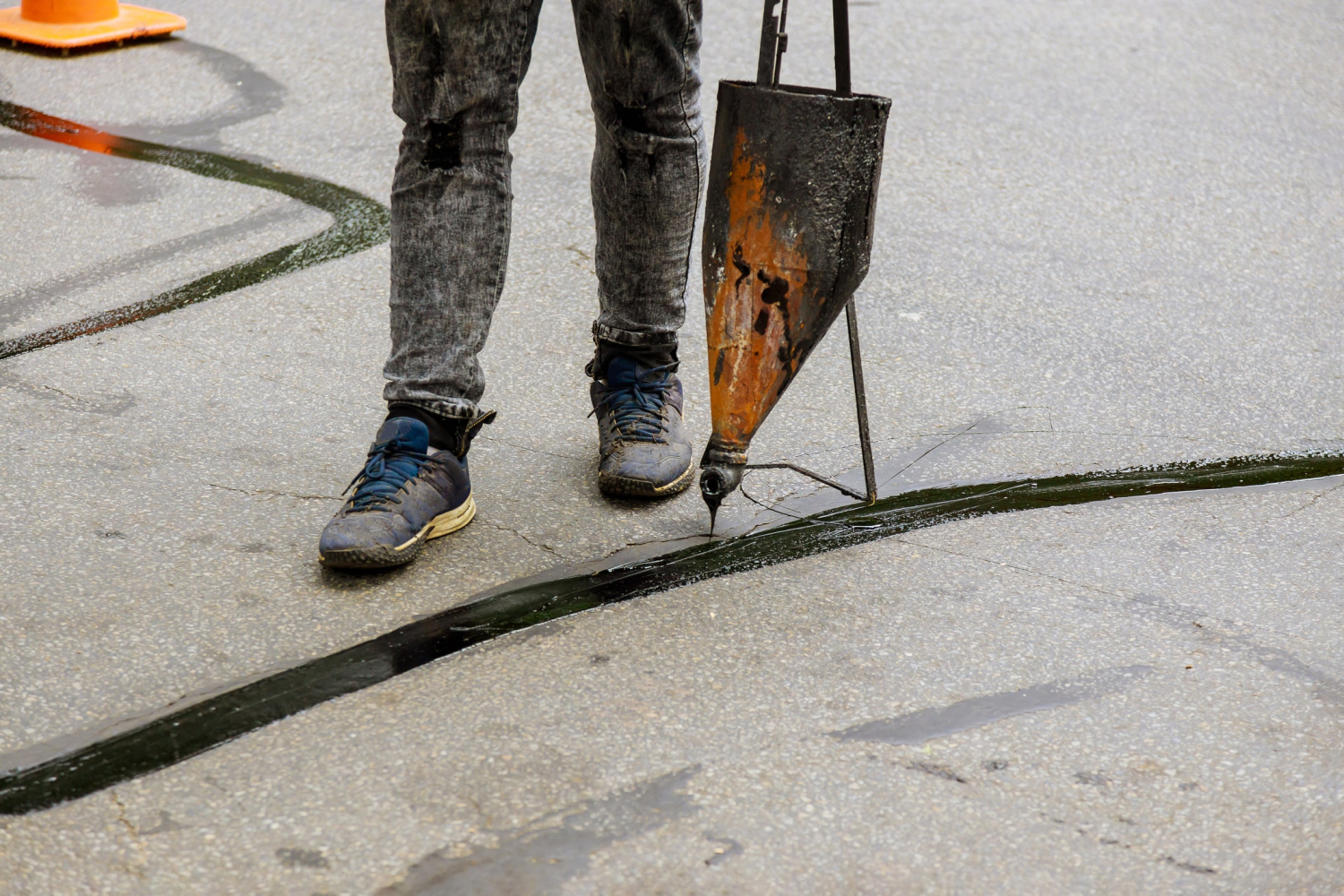
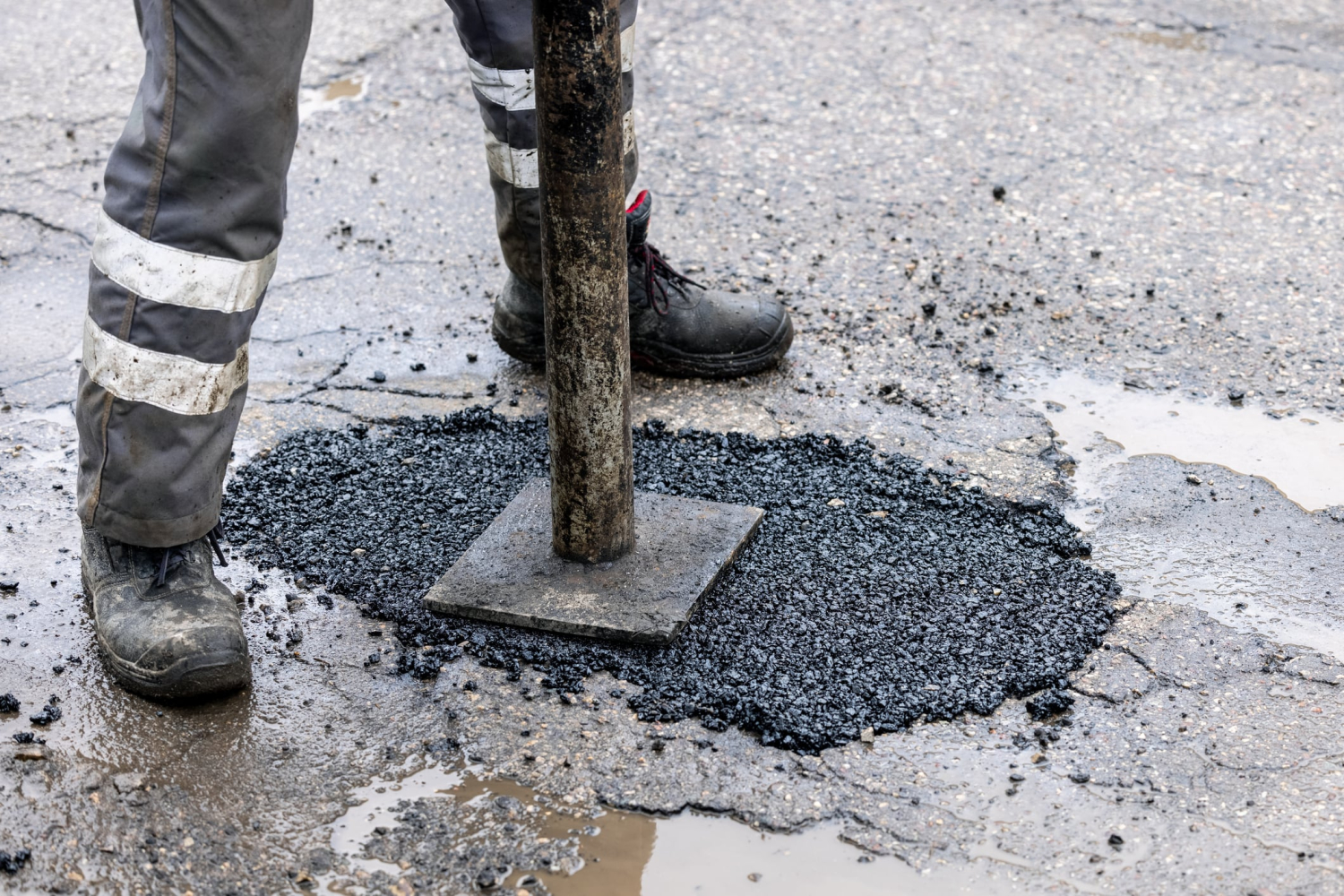
Stable cracks may be candidates for sealing, while potholes or failed pavement may require removal and replacement. Widespread interconnected cracks, soft areas or recurring settlement can indicate deeper deterioration. A coating cannot rebuild a failed base.
Ask whether proposed work is preventive, temporary or corrective. This makes the quotation easier to understand and avoids treating every defect as the same repair.
Let conditions determine scheduling
Shorter days, moisture and cooler pavement can affect application and curing. A date on the calendar is not a guarantee that a product can be used successfully. Confirm the requirements with the contractor and allow for weather-related changes.
If conditions are unsuitable for a lasting repair, agree how to manage the area safely and document what should be revisited in spring. Do not force a cosmetic treatment onto damp or unstable pavement simply to finish before winter.
Prepare a snow-clearing handover
- Mark driveway edges and raised features.
- Share photographs of existing damage with the operator.
- Identify snow-storage locations that preserve drainage.
- Keep heavy loads away from unsupported edges.
- Retain the contractor’s reopening and aftercare instructions.
For fall asphalt maintenance in Nova Scotia, review Supreme Asphalt’s crack sealing and asphalt repair services. Contact Supreme Asphalt to prioritize suitable work now and create a clear plan for any repairs that need to wait.