Driveway sealing in Nova Scotia works best as part of a condition-based maintenance plan. Summer often creates opportunities to schedule the work, but choosing a date is only one part of the decision. The driveway must also be suitable, properly prepared and protected while the material cures.
Decide whether sealing is appropriate
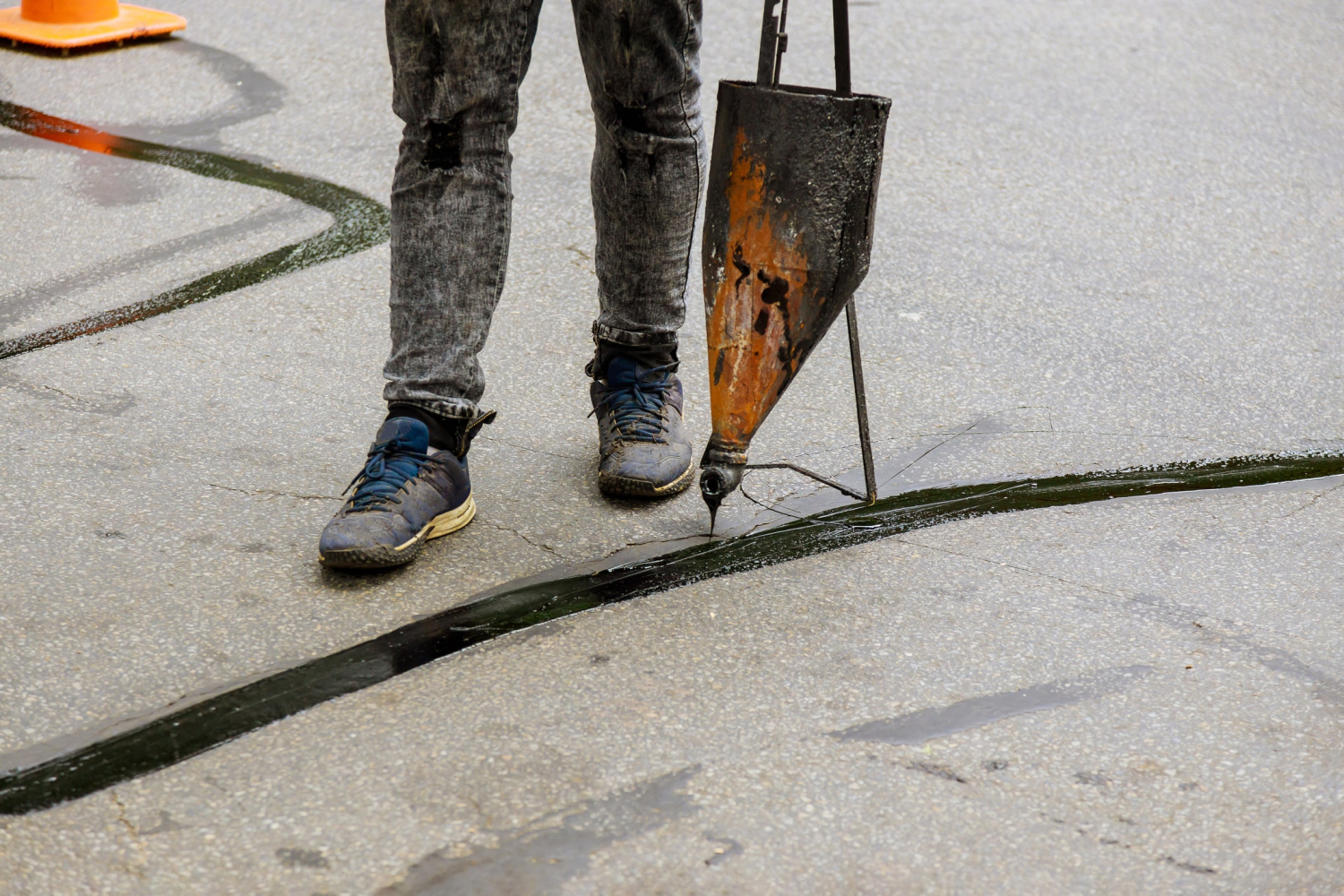
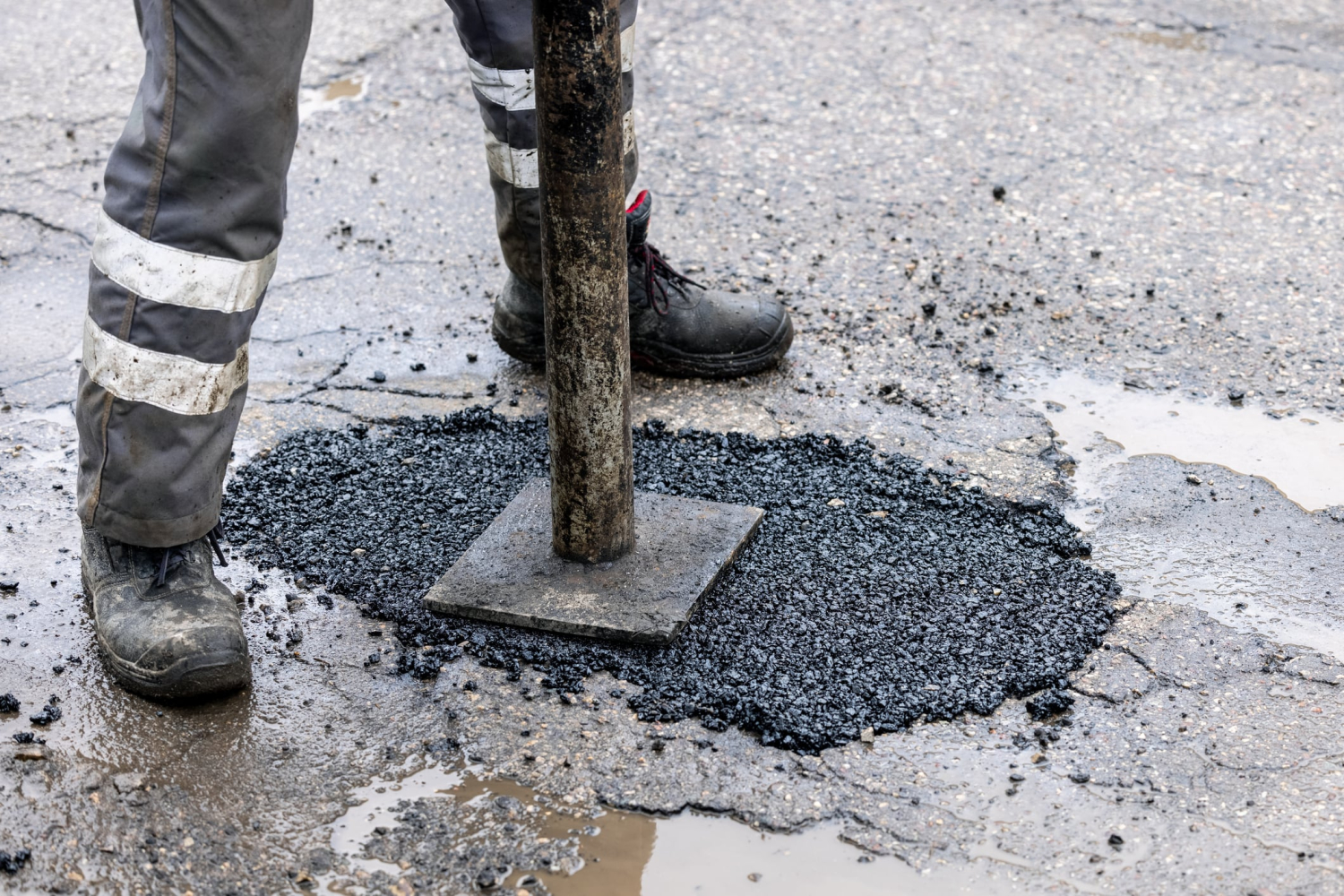
A sealer is a surface treatment. It does not replace missing asphalt, rebuild a weak base or correct poor drainage. If the driveway has potholes, settlement or extensive interconnected cracking, investigate those problems before planning a coating.
Ask a contractor to explain the purpose of the proposed product and why it suits the existing surface. Avoid assuming that every driveway needs treatment at the same interval. Exposure, traffic, previous coatings and the condition of the pavement all matter.
Choose conditions, not just a season
Air temperature, pavement temperature, humidity and the forecast can affect application and curing. Rain before or after the work may require a change of plans. Follow the specific product requirements rather than relying on a general rule about hot days.
Newly paved or previously treated driveways may also need different timing. Tell the contractor when the surface was installed and what has been applied before. Ask for written guidance on the preparation and curing requirements.
Prepare the driveway and property
- Move vehicles and outdoor items to another location.
- Arrange parking for the full closure period.
- Identify oil spots, existing repairs and drainage concerns.
- Keep irrigation from wetting the work area.
- Agree how adjacent concrete, plants and structures will be protected.
Cleaning and treatment of contaminants should be included in the work plan where needed. Coating over dirt or unresolved damage can undermine the result. Confirm which repairs will be completed first and whether they need time before sealing.
Understand the product being proposed
Different sealers have different handling, performance and environmental considerations. Ask for the product name, application information and relevant safety guidance. Discuss runoff, nearby surfaces and any site-specific restrictions before work begins.
Protect the finished surface
Keep vehicles, pets and pedestrians off the treated area until the contractor says it is ready. Dry-looking material is not necessarily ready for traffic. Avoid tight turns or concentrated loads if the contractor advises a longer initial care period.
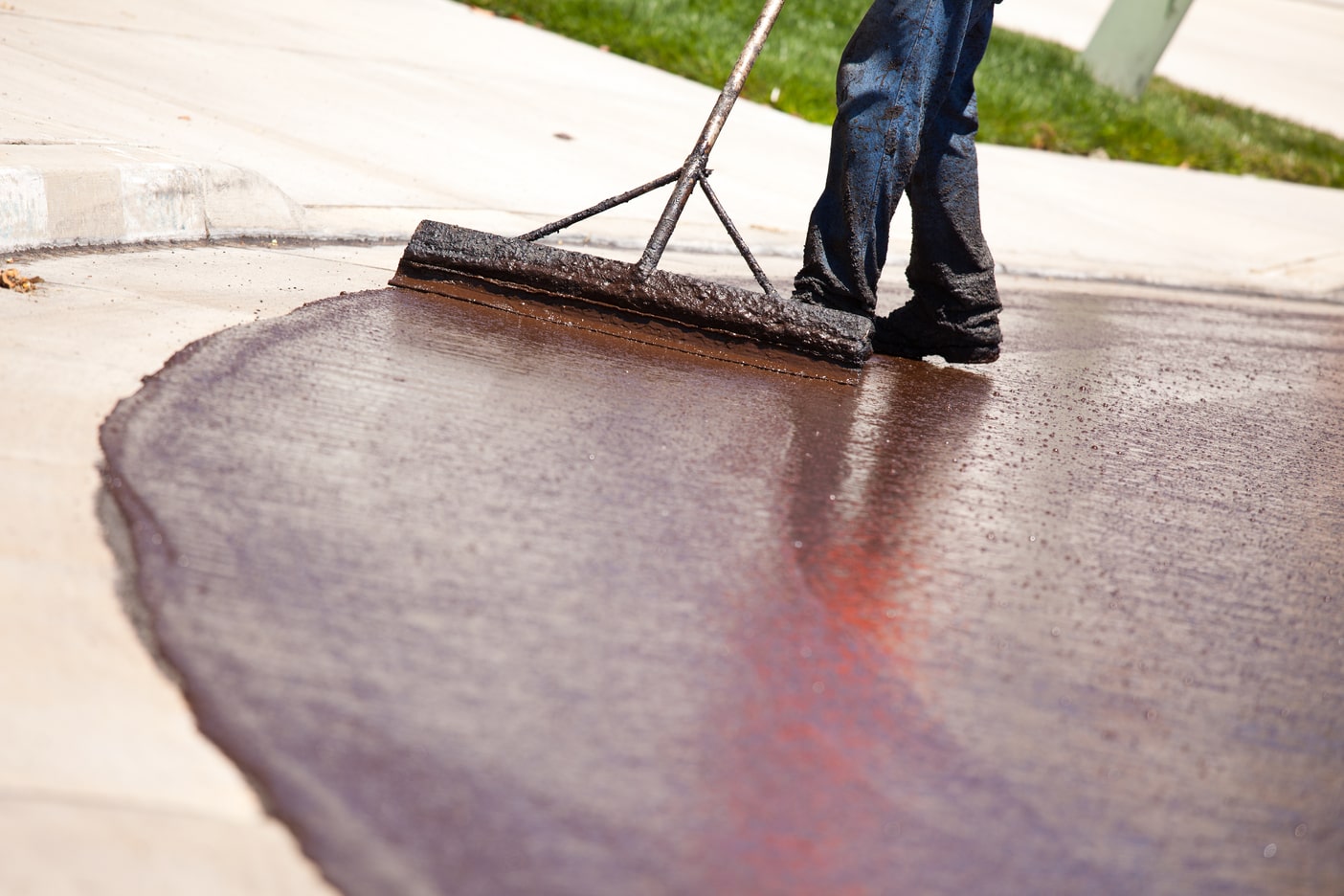
Supreme Asphalt describes its hand-applied sealer service online. For driveway sealing in Nova Scotia, request a site assessment to discuss product suitability, preparation and scheduling for your property.