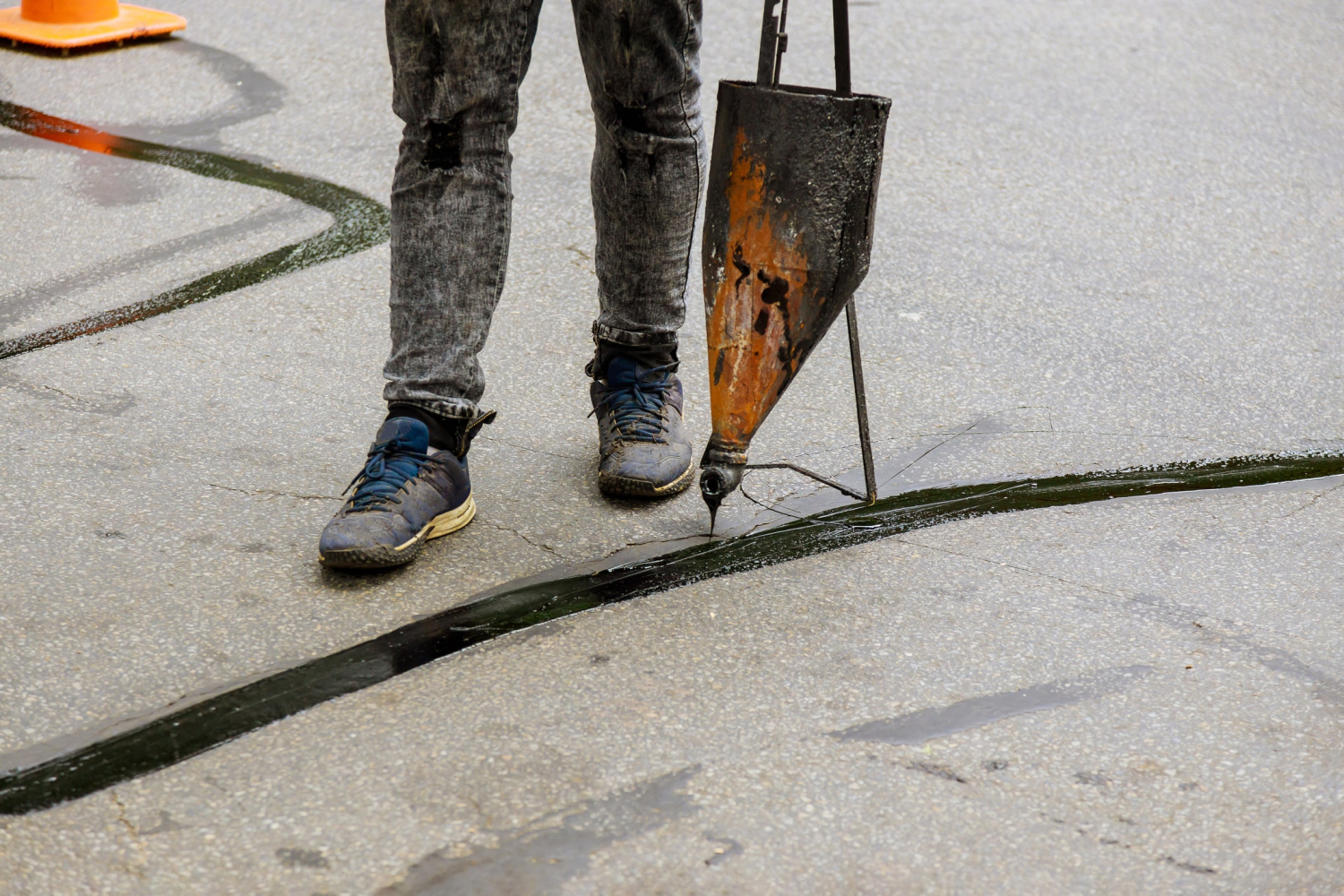
Driveway crack sealing in Truro can help limit water entering suitable cracks in residential asphalt. Good results begin before the sealant is applied: the condition of the pavement, preparation and weather all influence whether the treatment is appropriate.
Confirm that sealing fits the damage
Crack sealing is most useful where the surrounding pavement remains sound. It does not rebuild a weak base, level a sunken area or replace missing asphalt. Interconnected cracking, crumbling edges and movement under traffic may require a different repair.
Ask the contractor to inspect the full driveway rather than quote solely from the total length of visible cracks. A small number of deeper failures may deserve attention before a longer run of stable cracks.
Clear access before the appointment
Move vehicles, bins, planters and other items away from the work area. Tell the contractor about gates, pets, irrigation and any access restrictions. Keep a separate place to park until the contractor confirms that the treated area can be used.
Avoid applying household fillers or coatings immediately before the visit. Existing materials can affect preparation and should be disclosed. If you have previously treated the cracks, provide the product information where available.
Why cleaning and conditions matter
Dirt, vegetation and moisture can interfere with a repair. The contractor should choose preparation and application methods that suit the crack and product. Hot rubber materials also require specialist handling; homeowners should keep children and pets away from equipment and active work.
A sunny forecast alone does not prove a driveway is ready. Surface moisture, pavement temperature and the product’s application requirements matter. Rescheduling for suitable conditions can be more sensible than forcing work into a wet window.
Questions to ask before work starts
- Which cracks are suitable for sealing, and which need repair?
- What preparation is included?
- How will existing filler be handled?
- When can vehicles and pedestrians return?
- What follow-up maintenance should be expected?
Set realistic expectations
A sealed crack may remain visible, and the finished treatment is not the same as a new asphalt surface. Movement can continue over time. Inspect the driveway periodically and report areas where the material separates or surrounding asphalt begins to fail.
Combine crack treatment with drainage observation and edge protection. Keeping water away from vulnerable areas supports a broader maintenance plan, while repeated settlement should trigger an investigation of the underlying cause.
Learn about Supreme Asphalt’s residential hot rubber crack sealant service. For driveway crack sealing in Truro, request an assessment and find out whether sealing is the right next step for your driveway.