

Asphalt is common for roads, driveways, and parking lots—but it needs maintenance over time. Traditional fixes can be resource-intensive. In recent years, eco-friendly asphalt repair techniques have become more practical and accessible in Nova Scotia. These methods extend pavement life and reduce your environmental footprint.
Let’s review the most effective sustainable asphalt repair methods and why they deserve a spot in your maintenance routine.
Table of Contents
Cold In-Place Recycling (CIR) for Eco-Friendly Asphalt Repair

Cold In-Place Recycling (cold in place recycling asphalt) reuses existing material on-site, cutting waste and trucking. Understanding the asphalt lifecycle helps you choose the most green pavement solutions for long-term results in Nova Scotia.
How CIR Works
The process mills the top layer, grinds it, and mixes it with a binding agent. The recycled mix is laid back down to form a new surface. This reduces new material needs—ideal for asphalt repair Nova Scotia projects seeking lower impact.
Environmental Benefits of CIR
Reduced carbon emissions: On-site recycling cuts hauling old material and delivering new.
Lower energy consumption: CIR avoids energy-heavy hot production.
Less waste: Diverts material from landfills and conserves aggregates.
CIR suits highways and parking lots and can extend service life. For recurring surface damage, consider preventing asphalt cracks with proactive maintenance to delay major work.
Hot In-Place Recycling (HIR) for Eco-Friendly Asphalt Repair
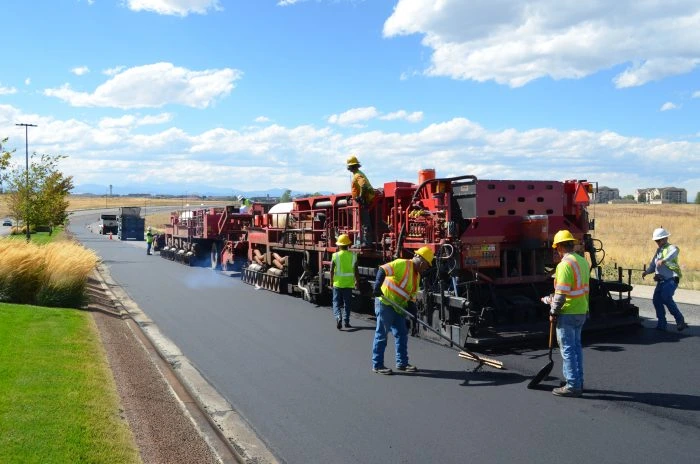
Hot In-Place Recycling (hot in place recycling asphalt) softens the existing layer with heat, then rejuvenates it with new binder.
How HIR Works
HIR heats, mills, mixes, lays, and compacts in one pass. It uses mostly existing pavement, adding only a small amount of new binder—an eco-friendly asphalt repair approach that preserves resources.
Environmental Benefits of HIR
Energy efficiency: Less new material than full resurfacing.
Reduced waste: Reuse of in-place asphalt lowers disposal.
Extended pavement life: Restores structure without full replacement—useful for busy streets needing quick, low-disruption, low-emission asphalt repair.
Pothole Patching with Recycled Asphalt Materials
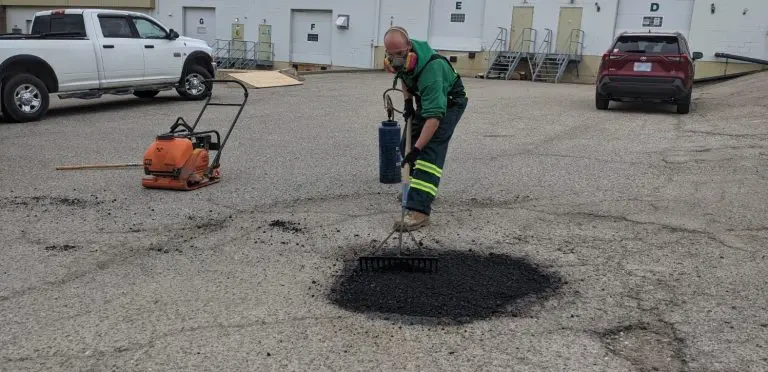
Potholes are common—and traditionally fixed with new mix. A cleaner option is recycled asphalt pothole patching, which conserves resources and cuts trucking.
How Recycled Pothole Patching Works
Reclaimed asphalt pavement (RAP) from old roads and lots is ground and mixed with binder for durable patches. Choosing RAP reduces demand for new production and helps communities avoid why pothole repair can’t wait.
Environmental Benefits of Recycled Pothole Patching
Reduced demand for new materials: Less petroleum and fewer aggregates.
Decreased landfill waste: RAP gets reused, not dumped.
Lower carbon footprint: Fewer emissions from production and transport.
It’s an affordable, eco-friendly asphalt repair choice for residential streets and small fixes.
Warm Mix Asphalt (WMA) for Sustainable Asphalt Repair
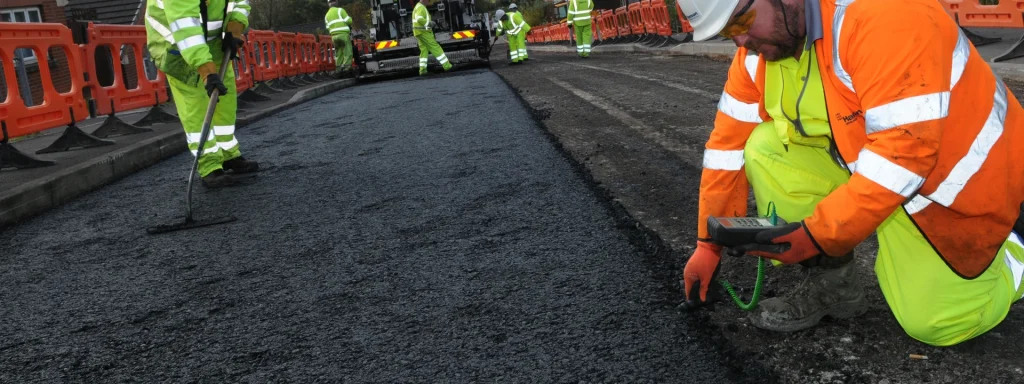
Warm mix asphalt is produced and placed at lower temperatures than traditional hot mix, cutting energy use and emissions.
How WMA Works
WMA heats the mix to ~200–250°F with additives that enable proper compaction at lower temps. It supports asphalt maintenance Nova Scotia projects that value air quality and worker safety.
Environmental Benefits of WMA
Energy savings: Lower heating means less fuel and fewer greenhouse gases.
Improved worker safety: Reduced fume exposure during production and placement.
Reduced emissions: A strong fit for urban environments and driveway and parking lot asphalt repair where neighbours appreciate cleaner air.
Conclusion
Eco-friendly approaches deliver both durability and lower impact. Eco-friendly asphalt repair using CIR, HIR, recycled pothole patching, and WMA helps extend pavement life while reducing emissions and waste. For larger jobs or complex sites, our team can guide you to professional asphalt repair services in Nova Scotia that align with your sustainability goals. Reach out to Supreme Asphalt—we’ll help you pick and plan the most eco-friendly asphalt repair approach for your project.


